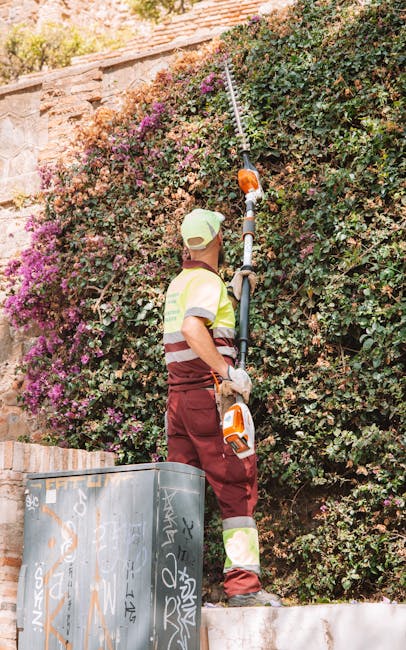
Avoid mistakes hiring Islington gardeners for tight access jobs
If you are trying to get garden work done through a narrow side passage, a basement stairwell, a shared alley, or a back garden that seems to have been designed by someone who hated wheelbarrows, you are not alone. Tight access jobs in Islington can be fiddly, noisy, and surprisingly easy to misjudge. The good news is that most problems are avoidable if you know what to look for before you hire.
This guide explains how to avoid mistakes hiring Islington gardeners for tight access jobs, what good planning looks like, and the questions that matter when your garden can only be reached by a awkward route. It is written for people who want a smooth, tidy job without damage, confusion, or last-minute surprises. Truth be told, the access is often the real project.
Why Avoid mistakes hiring Islington gardeners for tight access jobs Matters
Tight access changes everything. A straightforward garden tidy-up can become slower, more labour-intensive, and more expensive if materials, equipment, and waste all have to be moved by hand through a narrow route. In Islington, where many homes have shared entrances, terraced layouts, lower-ground gardens, or limited street space, this is not rare at all.
The main reason this matters is simple: a gardener who is excellent on an open suburban plot may still be the wrong fit for a cramped urban garden. If they arrive with oversized machinery, assume a standard clearance route, or fail to check how waste will leave the site, the job can become messy quickly. And by messy, we mean scratched walls, damaged paving, unhappy neighbours, and extra time you never planned for.
A tight access job also affects the quality of the finish. When the team cannot bring in larger machines, they need the right manual tools, a sensible workflow, and enough experience to work neatly in confined spaces. That usually means a better plan, not just more muscle. It is a small difference on paper. In real life, it is the difference between a smooth garden reset and a frustrating half-day of shuffling equipment around the same corner.
If your project includes more than basic pruning or mowing, it can help to review the wider scope first. For example, a more involved clearance job may connect to garden clearance, while long-term upkeep might be better planned through garden maintenance. That broader view keeps expectations realistic from the start.
Expert summary: With tight access work, the "best" gardener is not just the one with the lowest quote. It is the one who has clearly thought through access, waste removal, protection of surfaces, and the practical sequence of the job.
How Avoid mistakes hiring Islington gardeners for tight access jobs Works
Good tight access gardening starts before a spade touches the soil. The process should feel a bit like planning a small move: measure the route, identify pinch points, work out what needs to go in and what needs to come out, then decide whether the setup is realistic. That is the difference between a confident quote and a guess.
A careful gardener will usually ask about:
- the width of gates, side passages, and steps
- any steep slopes, turns, or low head height
- whether waste can be carried through the property safely
- where equipment can be parked or unloaded
- how close the neighbours are and whether access is shared
- what the ground surface is like on the route in and out
From there, the gardener can decide what tools fit the site. In a tight garden, that might mean hand tools instead of larger powered kit, smaller loads of waste, protective coverings for floors or paths, and a slower, more deliberate workflow. Some jobs need just a careful crew and patience. Others need specialist planning and a stronger focus on logistics.
What you should notice is whether the gardener is asking practical questions rather than rushing straight to a price. A quick number with no access discussion is usually a warning sign. It can be tempting to just book the cheapest option and hope for the best, but as many London homeowners discover, hope is not a method. Not really.
For larger changes to the layout or hard landscaping in a restricted site, you may also want to look at landscaping or landscape gardening, because those services tend to involve more movement of materials and more planning around access.
Key Benefits and Practical Advantages
Choosing the right gardener for a tight access job brings several benefits that show up very quickly, sometimes before the job has even started.
- Less risk of damage: Careful planning helps protect walls, gates, steps, decking, and narrow paving.
- Cleaner work: A proper access plan reduces soil spill, plant debris, and waste build-up in shared spaces.
- Faster completion: The right team wastes less time moving the same materials twice.
- More accurate quotes: When access is discussed clearly, the price is usually more realistic.
- Better neighbour relations: Good scheduling and tidy movement through communal routes makes life easier for everyone.
- Improved results: When the crew is prepared, they can focus on the garden rather than improvising.
There is also a psychological benefit that people often underestimate. When a difficult access job is handled well, the whole property feels calmer. You open the back door and the garden finally looks manageable instead of slightly chaotic. That matters, honestly. Garden work is not just about plants; it is about making the space feel usable again.
If the job includes hedges, overgrown edges, or awkward corners, it is worth checking how the team handles precision work in tight spaces. A provider experienced in hedge trimming or lawn mowing may already be used to working around limited access and delicate finishes.
Who This Is For and When It Makes Sense
This kind of planning is relevant if you live in a terraced house, flat with shared access, lower-ground conversion, mews property, or any home where the garden is not directly reachable from a wide driveway. It also makes sense if your garden backs onto a lane, has a locked rear route, or sits behind internal hallways that cannot take heavy equipment.
You will especially want to think carefully about access if:
- the garden needs clearing rather than just a tidy
- there is heavy green waste, old timber, or broken fencing to remove
- you have decking, raised beds, or mature planting close to the route
- work must be completed while you are at home, on-site, or coordinating with neighbours
- the job has to be finished in one visit because repeat access is difficult
Some people only need a one-off reset. Others need ongoing visits, which is where a dependable schedule matters. If your garden needs regular care, a steady arrangement through garden maintenance can be a better fit than repeated one-off bookings. That way, the access is known, the crew knows the site, and the job gets easier over time.
To be fair, not every gardener needs to be a logistics wizard. But if access is tight, they do need to be comfortable working methodically, especially where carrying waste or tools through the property is part of the job.
Step-by-Step Guidance
Here is a practical way to handle the hiring process without getting caught out. Simple, but not simplistic.
- Measure the access route. Note gate widths, passage widths, steps, corners, and any fixed obstacles.
- Photograph the route. A few clear pictures from the street to the garden can save a lot of back-and-forth.
- Describe the actual job. Say whether it is mowing, hedge cutting, clearance, light landscaping, tree work, or a combination.
- Ask how waste will be removed. If bags, branches, soil, or rubble need to come out by hand, the quote should reflect that.
- Confirm what equipment will be used. Compact tools, hand tools, protective sheets, and smaller loads are often more realistic.
- Check insurance and safety details. You want the team to have a sensible approach to risk, not just confidence and a van.
- Compare like with like. A cheap quote that ignores access is not the same as a properly planned quote.
- Agree timing and site access instructions. This is where confusion often starts. Nail it down early.
One small but useful habit: ask the gardener to repeat the access challenge back to you in their own words. If they understand the route, they will usually describe the tricky bits clearly and without fuss. If they wave it away too quickly, that is telling.
For jobs involving trees or large branches, access planning becomes even more important. Heavy material can be awkward to carry, and the path out may be more restrictive than the garden itself. In those cases, look carefully at tree lopping and removal services and make sure the access route is discussed before any work is booked.
Expert Tips for Better Results
A few simple checks can improve the result dramatically. None of them are glamorous, but they work.
- Use "route-first" thinking. Before discussing plants or features, focus on how people and waste will move through the site.
- Protect the pinch points. Narrow door frames, painted walls, delicate tiles, and shared hallways should be covered or shielded if there is any risk of contact.
- Keep loads smaller than you think you need. In tight gardens, overfilled bags and overloaded barrows are where trouble starts.
- Schedule with neighbours in mind. If access crosses a shared hall, give people a heads-up. That tiny bit of courtesy goes a long way.
- Choose the right finish for the route. If soft ground is part of the access path, protect it so the team does not leave tracks that look like a muddy football pitch.
A practical example: a homeowner in Islington wants a full tidy of a back garden behind a narrow side passage. The smarter approach is not to promise a huge same-day transformation, but to choose a gardener who can work in stages, keep waste sorted, and avoid bottlenecks. Slower? Maybe. Better? Almost always.
If you are updating the space more broadly, it may help to think beyond one-off tasks and look at how different services fit together. A small decking area, for example, may change the way tools and waste need to move. In that case, decking services can be relevant to the long-term layout, not just the aesthetic.
Common Mistakes to Avoid
Here is where many people trip up. These mistakes are common, and most of them are preventable.
1. Assuming every gardener has tight access experience
Gardeners are not all the same. Some are brilliant in open spaces but less suited to constrained urban sites. Ask directly whether they have handled awkward access before, and ask for a plain explanation of how they would tackle your route.
2. Failing to mention the full route
People sometimes describe the garden but forget the hallway, side gate, basement stairs, or shared access path. That missing detail can change the entire quote.
3. Choosing price before method
The cheapest quote can be the most expensive once problems appear. Extra labour, delays, and damage are not bargains. They are annoyances with invoices attached.
4. Not checking waste removal
Tight access jobs often create more handling time because waste has to be moved by hand. If this is not discussed, you may face a surprise later. Not ideal.
5. Ignoring neighbour or building rules
Shared access means shared expectations. If building managers or neighbours need notice, plan for that in advance.
6. Booking the wrong service for the job
A light tidy is not the same as clearance, pruning, or landscaping. The wrong service type can mean the wrong team, wrong tools, and a poor fit for the site.
A slightly annoying truth: a lot of access problems only become obvious once the van arrives. That is why the questions before booking matter so much.
Tools, Resources and Recommendations
You do not need specialist equipment as a homeowner, but a few simple resources make communication much easier.
- Measuring tape: Useful for gate widths, passage widths, and step depths.
- Phone camera: Take daylight photos of the route, especially any narrow turns or awkward thresholds.
- Simple site sketch: Even a rough drawing helps the gardener understand the layout.
- Access notes: Record things like lock codes, shared gate arrangements, and where waste can be left temporarily.
- Time window: Choose a slot when you can answer questions if the team needs clarification.
From the service side, a good provider should have a sensible approach to working safely, especially where tools, lifting, and movement through tight spaces are involved. It is worth reviewing any available information on health and safety policy and insurance and safety so you know the business takes the practical side seriously.
If you are comparing providers for a bigger project, the wider services overview can help you understand which type of service matches the job. For example, a clearance task, a maintenance visit, and a redesign project are not interchangeable. They just are not.
Law, Compliance, Standards, or Best Practice
For most homeowners, the main concern is not legal theory. It is keeping people safe, avoiding damage, and making sure the work is carried out responsibly. Still, a few best-practice points are worth keeping in mind.
Gardeners working in tight access conditions should act with care around lifting, carrying, sharp tools, and plant waste. Reasonable site safety, clear communication, and suitable insurance are all part of normal professional practice in the UK. If access passes through shared spaces, the team should also be mindful of common areas and avoid leaving hazards behind.
Where tree work is involved, caution matters even more. Large branches, awkward cuts, and debris movement can become risky quickly in confined spaces. A professional approach includes planning the drop zone, checking the exit route, and deciding whether the site can be worked safely at all. If not, the honest answer should be no, or at least not without adjustments.
For waste handling, the practical standard is simple: remove debris in a tidy, lawful, and controlled way, with due regard for the route out of the property and the cleanliness of shared areas. If the contractor mentions recycling or responsible disposal, that is a good sign. A useful one, too. You can also look at recycling and sustainability to understand how a business may think about green waste and responsible disposal.
One more point: ask about payment terms clearly before work begins. A professional service should be straightforward about how it charges, what is included, and when payment is due. That kind of clarity protects both sides. If you want to review this side of the arrangement, payment and security is a helpful page to check.
Options, Methods, or Comparison Table
Not every tight access job needs the same approach. Sometimes a light manual tidy is enough. Other times, you need a full clearance process with careful staging. The right method depends on the garden, the route, and how much material needs moving.
| Approach | Best for | Pros | Watch-outs |
|---|---|---|---|
| Manual tidy-up | Small gardens, routine maintenance, light pruning | Low disruption, flexible, good for narrow routes | Slower on larger jobs, more labour by hand |
| Partial clearance | Overgrown beds, moderate waste, one-off refresh | Balanced cost and efficiency, manageable loads | Needs clear waste plan and enough time on site |
| Full clearance | Heavy overgrowth, accumulated waste, start-from-scratch spaces | Transforms unusable areas, sets up a clean slate | Most dependent on access planning and disposal logistics |
| Design-led work | Gardens needing layout changes, hard landscaping, or new features | Improves long-term usability, can solve access frustrations | Usually more complex, may require multiple visits |
If you are not sure where your job sits, start with the route and the waste. That usually tells you whether the job is a quick tidy or something more involved. And if your garden needs a broader rethink, landscape gardening may be a better conversation than a simple one-off visit.
Case Study or Real-World Example
Imagine a small Islington property with a rear garden accessed through a narrow passage and a step down at the back door. The garden itself is not huge, but it has a dense hedge, patchy lawn, and several bags of green waste waiting to be dealt with. Nothing dramatic. Just awkward.
A less prepared gardener might quote quickly from the photos, then arrive and realise the barrow cannot turn the corner cleanly and the waste bags are heavier than expected. That is how delays begin. First one bag. Then another. Then the job runs long, the route gets muddier, and everyone is a little fed up by lunch.
A better approach starts with access detail. The gardener checks the narrowest point, brings compact tools, plans for smaller waste loads, and sequences the work so that cuttings are cleared as they are generated. The hedge is trimmed in sections. The lawn is cut after debris is cleared. The route stays tidy, and no one has to squeeze past a pile of branches in the hallway. Simple, but effective.
The result is not just a neater garden. The homeowner also gets a clearer sense of what can be maintained regularly and what needs a bigger project later. Sometimes the best outcome from a tight access job is not the finished look alone. It is the plan it creates for next time.
Practical Checklist
Use this before you book. It will save you time and a few headaches.
- Measure the narrowest part of the access route.
- Take photos of gates, steps, corners, and shared spaces.
- Tell the gardener exactly what needs doing.
- Ask how waste will leave the site.
- Ask what equipment they will use in a confined space.
- Check whether they have experience with tight access or urban gardens.
- Confirm whether protective coverings will be used where needed.
- Agree the arrival time and any neighbour-sensitive issues.
- Review insurance, safety, and payment terms.
- Make sure the service matches the job type, not just the headline price.
If your garden work is likely to continue over the season, keep notes from the first visit. The route, pinch points, and awkward turns do not change much, so that information becomes more valuable each time. A bit of prep now can make future visits much smoother. Really, it can.
Get a free quote today and see how much you can save.
Conclusion
Hiring the right Islington gardener for a tight access job is not about finding someone who simply says yes. It is about finding someone who understands the site, respects the practical limits, and plans for the boring stuff that makes the job succeed. The route in, the route out, the waste, the tools, the timing - that is where the real difference lives.
If you take the time to measure, explain, and compare properly, you will avoid most of the usual mistakes. And once the work is done well, you can actually enjoy the garden again without thinking about the mess behind it. That is the whole point, after all.
When the access is tricky, good gardening feels a little like good choreography: quiet, careful, and just precise enough that nobody notices the effort. They only notice the result.
Frequently Asked Questions
What counts as a tight access garden job?
Any job where the gardener must move through narrow side passages, shared hallways, small gates, steps, or awkward corners to reach the work area or remove waste counts as tight access. In practice, that means the access route matters almost as much as the garden itself.
Why do tight access jobs cost more sometimes?
They can cost more because they usually take longer, require more manual handling, and need more care to avoid damage. Even a small job can become labour-heavy if materials have to be carried by hand through a constrained route.
Should I send photos before asking for a quote?
Yes, if you can. Clear photos of the route, gate width, steps, and garden entrance help the gardener judge the job properly. It often leads to a more accurate quote and fewer surprises on the day.
What should I ask a gardener before booking a tight access job?
Ask whether they have experience with restricted access, what equipment they will use, how waste will be removed, and whether the quote includes time for carrying materials through the property. Those questions are basic, but they save hassle.
Is a cheaper quote always a bad sign?
Not always, but a quote that ignores access details is risky. If one quote is much lower than the others, check whether it truly includes the same level of labour, waste handling, and site protection.
Can all garden services handle tight access?
No. Some services are easier to adapt than others. A routine tidy may be straightforward, while clearance, tree work, or landscaping may need more planning, smaller loads, or a different crew altogether.
What if my access route is shared with neighbours?
Then communication matters a lot. Give notice if needed, keep the route tidy, and make sure the gardener understands any building rules or quiet-period expectations. Shared spaces can work fine, but they need courtesy.
How do I know if a gardener is the right fit for my property?
Look for practical questions, clear communication, and a sensible attitude to access. If they seem rushed, vague, or dismissive about the route, they may not be the best choice for a confined site.
Do I need to mention steps and uneven surfaces?
Absolutely. Steps, slopes, and uneven paving can change the time, safety measures, and equipment choices. What seems minor in conversation can matter a lot once people are carrying waste through it.
What is the biggest mistake people make with tight access gardening?
The biggest mistake is assuming the garden is the main issue and treating access as a small detail. In many Islington homes, access is the job. If you get that right, everything else becomes much easier.
When should I choose garden maintenance instead of a one-off visit?
If your garden needs regular care and the access route is awkward, ongoing maintenance can be more efficient than repeated emergency clear-ups. Familiarity with the site usually makes each visit quicker and cleaner.
How can I reduce the chance of damage during the job?
Protect narrow routes, clear fragile items from the way, share accurate measurements, and choose a gardener who has planned for confined spaces before. Small precautions go a long way, especially where walls and paving are close together.
Good tight access gardening is rarely dramatic. It is careful, steady, and respectful of the space. And in a busy part of London, that kind of calm competence is worth a lot.